


No products in the cart.
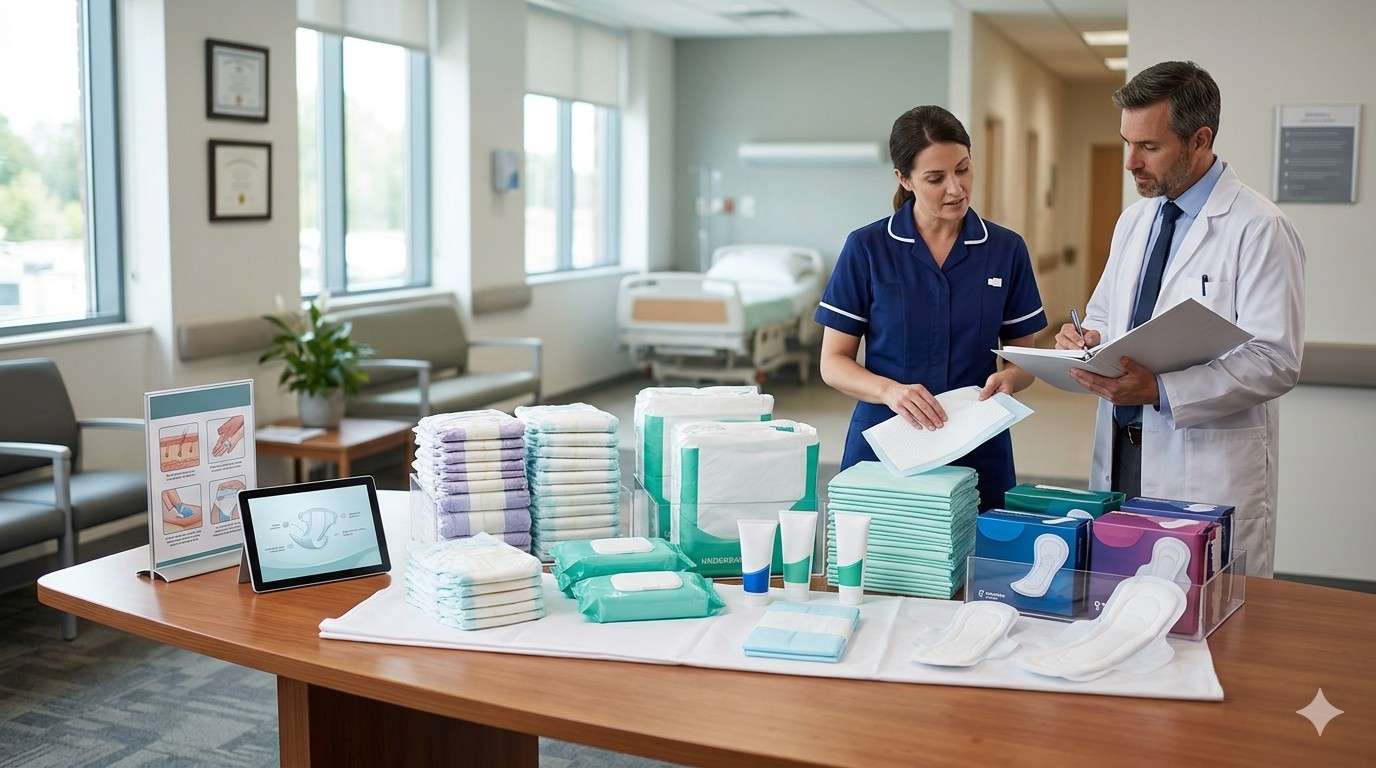
Incontinence is a common healthcare concern affecting millions of people worldwide. It can occur due to aging, medical conditions, mobility limitations, or recovery after surgery. For healthcare providers and caregivers, managing incontinence effectively is essential for maintaining patient comfort, hygiene, and dignity. Hospitals, clinics, and home care settings rely on high-quality incontinence products to ensure proper care and support for individuals dealing with bladder control issues.
Modern incontinence care products are designed to provide absorbency, comfort, and protection while helping patients maintain confidence in their daily lives. Selecting the right products can significantly improve hygiene management, reduce the risk of skin irritation, and support efficient caregiving.
In healthcare environments, managing incontinence requires reliable solutions that protect both patients and caregivers. Without proper products, patients may experience discomfort, skin problems, or infections. Therefore, healthcare providers must choose products that provide effective protection and long-lasting absorbency.
Incontinence products serve several important purposes:
Maintaining personal hygiene
Protecting the skin from moisture-related irritation
Preventing leakage and odor
Supporting patient mobility and comfort
Simplifying care routines for healthcare staff and caregivers
Hospitals, clinics, and home caregivers often depend on a combination of products to manage different levels of incontinence.
Adult diapers are among the most commonly used incontinence products in healthcare settings. They provide high absorbency and full protection, making them suitable for patients with moderate to severe incontinence.
These products are designed with soft materials and absorbent cores that help prevent leakage and keep the skin dry. Many adult diapers also include adjustable tabs for a secure fit and improved comfort.
Hospitals and long-term care facilities frequently use adult diapers for patients who require continuous assistance or have limited mobility. Their high absorbency level helps reduce the frequency of product changes and ensures better protection throughout the day or night.
Protective underwear, often called pull-up incontinence underwear, offers a discreet and comfortable solution for individuals with mild to moderate incontinence. These products resemble regular underwear but contain absorbent layers that capture leakage.
They are particularly suitable for patients who remain active or can manage their own bathroom routine. Protective underwear allows users to maintain independence while still receiving the protection they need.
Healthcare providers often recommend these products for patients recovering from surgery, older adults living independently, or individuals who prefer a less noticeable incontinence solution.
Absorbent pads and liners are another essential product category used in hospitals and home care environments. These products are placed inside regular underwear to absorb small to moderate leaks.
Pads and liners are lightweight and easy to replace, making them convenient for individuals who experience occasional leakage. They are also commonly used alongside other protective garments to provide additional security.
Clinics and caregivers often choose absorbent pads for patients who require flexible and adjustable protection throughout the day.
Bed pads, also known as underpads, are designed to protect bedding, mattresses, and furniture from moisture. These pads are placed under the patient to absorb leaks and prevent damage to surfaces.
Underpads are especially useful for patients who spend extended periods in bed or require overnight protection. They help maintain cleanliness in hospitals, nursing homes, and home care environments.
Disposable and reusable options are available, allowing healthcare providers to choose the most practical solution based on patient needs.
Maintaining skin health is a crucial part of incontinence care. Continuous exposure to moisture can lead to irritation, rashes, or infections if proper hygiene is not maintained.
Specialized skin care products help protect the skin and prevent complications. These may include:
Barrier creams that protect against moisture
Gentle cleansing wipes for hygiene
Skin moisturizers to maintain healthy skin
Antimicrobial products to reduce infection risks
These products are commonly used in combination with absorbent incontinence supplies to provide complete care.
Selecting the appropriate incontinence product depends on several factors. Healthcare providers and caregivers should consider the patient’s level of incontinence, mobility, comfort preferences, and daily routine.
Key factors to consider include:
Different products are designed for light, moderate, or heavy incontinence. Choosing the correct absorbency ensures better protection and reduces the need for frequent changes.
Comfort is essential for maintaining patient dignity and preventing skin irritation. Soft materials and flexible designs help improve comfort for extended use.
Products should be easy for caregivers to apply and remove. In healthcare settings where efficiency is important, convenient product design can simplify patient care routines.
Products that keep moisture away from the skin help prevent irritation and infections. Breathable materials and moisture-locking layers are especially beneficial.
Hospitals and clinics require reliable incontinence management systems to ensure patient comfort and maintain hygiene standards. Healthcare professionals must select products that provide effective protection while supporting patient mobility and recovery.
Medical facilities often maintain a supply of multiple product types to address different patient needs, including adult diapers, absorbent pads, and bed protection solutions.
Efficient incontinence management not only improves patient care but also helps healthcare providers maintain a clean and safe environment.
Home caregivers face unique challenges when managing incontinence. Unlike hospital environments, home settings require products that are convenient, comfortable, and easy to use.
Caregivers often rely on a combination of protective underwear, absorbent pads, and bed pads to provide reliable protection throughout the day and night.
Choosing high-quality products helps reduce the stress associated with caregiving and improves the overall well-being of both patients and caregivers.
Reliable incontinence products play a crucial role in healthcare environments. High-quality supplies ensure better absorbency, reduce the risk of leakage, and improve patient comfort.
Healthcare providers, clinics, and home caregivers benefit from working with trusted medical supply distributors that offer consistent product availability and dependable quality.
When patients receive proper incontinence care with the right products, they can maintain their dignity, comfort, and independence in daily life.
Incontinence is a manageable condition that affects individuals across different age groups. By understanding its causes, types, and treatment options, people can take practical steps to improve bladder control and overall well-being. With proper medical guidance and reliable care products, individuals can maintain comfort, hygiene, and confidence in their daily lives.
Eways Traders offers reliable incontinence care products designed for use in hospitals, clinics, and home healthcare settings. Explore our range of quality medical products to support better patient care and everyday comfort.


